

20th PRO Science event held as part of 5th Kazan Global Youth Summit
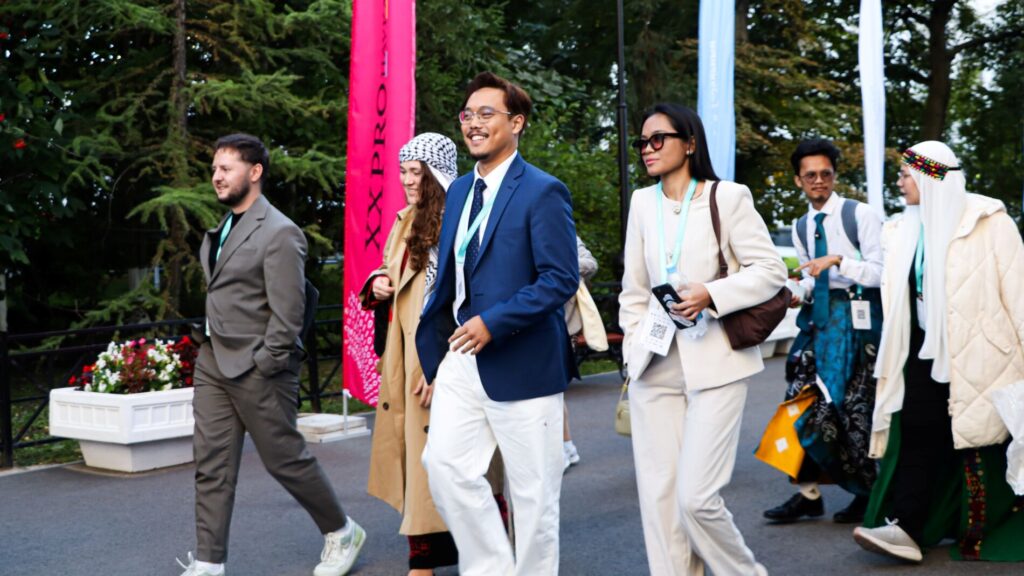
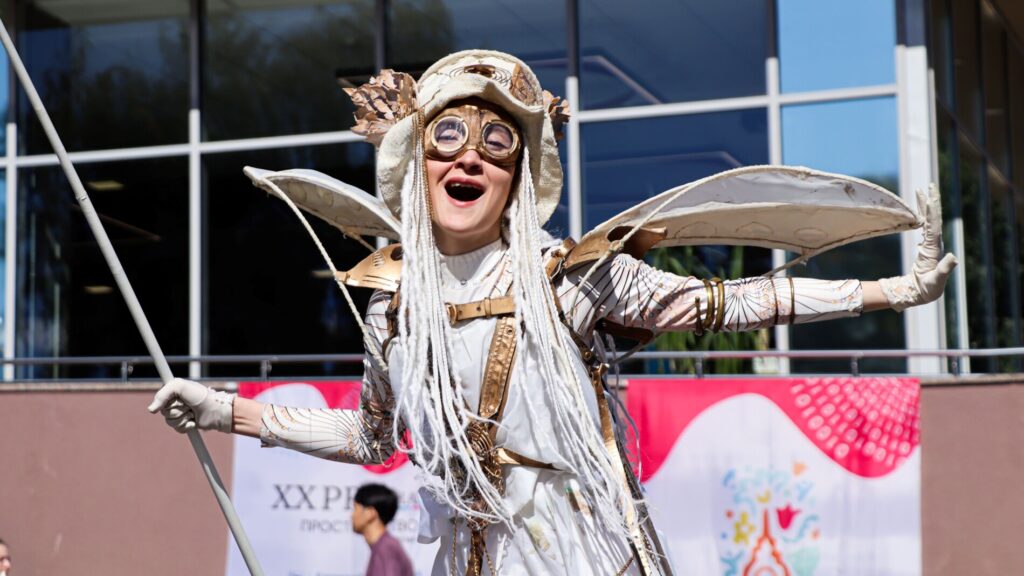
This year, the large-scale event was held under the title Space and Time.
The weather was kind to the guests of honor: children and their parents, students and faculty – all those who, in one way or another, listened to and participated in the many interactive activities prepared not only by Kazan Federal University staff but also by universities from Kazan and other cities of the Republic of Tatarstan.
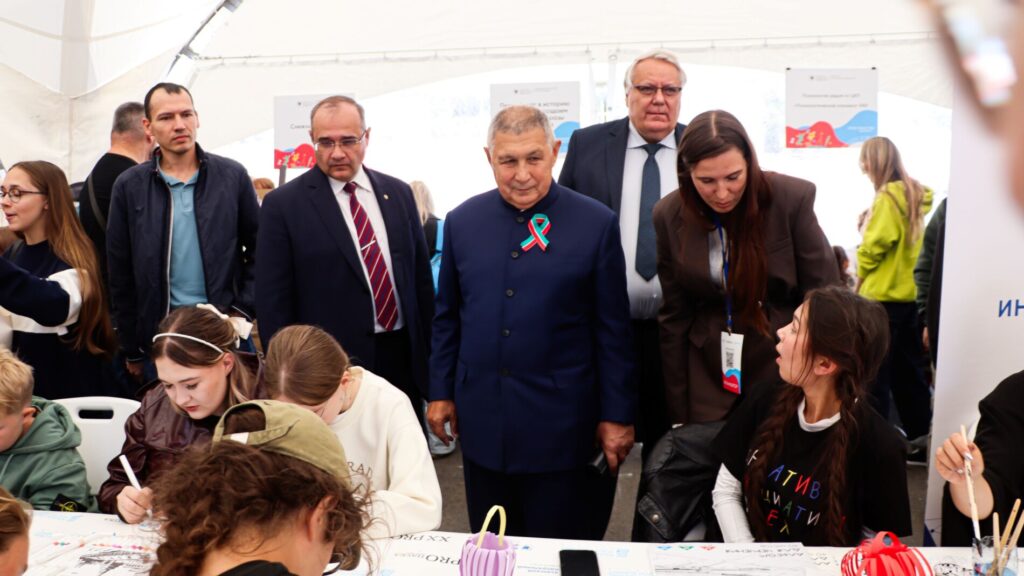
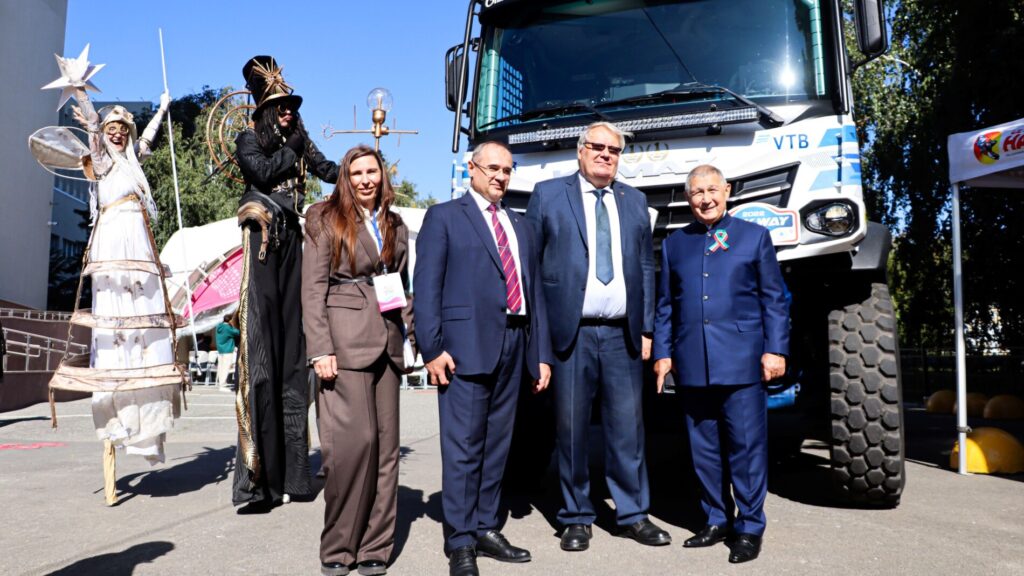
The central hub of the event was visited by Rifkat Minnikhanov, President of the Academy of Sciences of the Republic of Tatarstan; Tarig Ali Bakhit, Deputy Secretary General of the Organization of Islamic Cooperation for Humanitarian, Social, and Cultural Affairs; Timur Suleimanov, Aide to the Rais of the Republic of Tatarstan; Head of the Regional Branch of the All-Russian Children’s and Youth Movement of the First; Bubakar Maiga, Director of the Department of Youth Policy and Sports of the OIC General Secretariat; Dmitry Tayursky, First Vice-Rector and Vice-Rector for Research at Kazan Federal University; Rishat Guzeirov, Vice-Rector for Comprehensive Security; and representatives of the delegations attending the Kazan Global Youth Summit. Yelena Yelshina, Director of the Department of Information Policy at Kazan Federal University, accompanied them on the tour.
How does PRO Science help attract young people to science? Rifkat Minnikhanov, President of the Academy of Sciences of the Republic of Tatarstan, answered this question during a conversation with journalists, «There’s no need to talk about it; you just have to see how interested the children are in the processes being demonstrated here. I find it so interesting as if I were a kid myself. I participated in some of the activities, and I think the kids are super involved.»
During the tour, the directors personally presented the interactive zones of their institutes. KFU’s in-house secondary schools and administrative department also took part.
«Today is truly a celebration. Through science and its passion, people understand themselves and the society they live in. Russia’s further development should be aimed primarily at popularizing science. Through events like PRO Science, children will understand that here, vast expanses of space and the study of essentially all areas of human activity are opening up: archeology, nature, the world, and space. Without the past, there is no future. I recommend that everyone see the exhibition about ancient gold discovered by archeology students during their 2025-2026 internship. These are ancient objects, including gold jewelry. It’s so captivating!» Rishat Guzeirov shared.
Andrey Keller, Director of the KFU Naberezhnye Chelny Institute, spoke about the advanced engineering school Cyber Auto Tech and its collaboration with truckmaker KAMAZ, «Recently, given the demand for specialists, we have added career guidance. Last year, together with KAMAZ, we launched the Engineering Class project. It involved 12 schools and 34 classes in nine provinces of the Russian Federation. The goal is to direct schoolchildren early on toward engineering and engage them, so that they later pursue engineering majors with a clear understanding of their future career.»
Other universities in Tatarstan also presented their projects. Kazan National Research Technological University organized a mock production of oil pendants using a microdoser, a silver mirror reaction (a test tube with silver sediment is given to the participant after the experiment), and an interactive board game introducing the history, language, and traditions of the Tatar people in a modern format.
Kazan State Power Engineering University demonstrated a 3D printer producing the university’s badges. Participants were invited to assemble an electrical circuit on two electrical stands and held a master class on the basics of electrical installation, where they were able to make hearts from wire.
Kazan State Institute of Culture prepared five programs: creating ornaments using patterns and symmetry, reconstructing archaeological costumes based on historical methods, animating classical paintings through augmented reality on a tablet or smartphone, and a quiz, as well as demonstrated the ethnic dresses of the Volga region peoples.
Kazan Innovation University held a master class on making Chinese lanterns. The university also prepared an interactive Chinese calligraphy zone, where everyone could learn the basics of writing Chinese characters.