

Researchers continue inquiries into properties of heavy oil
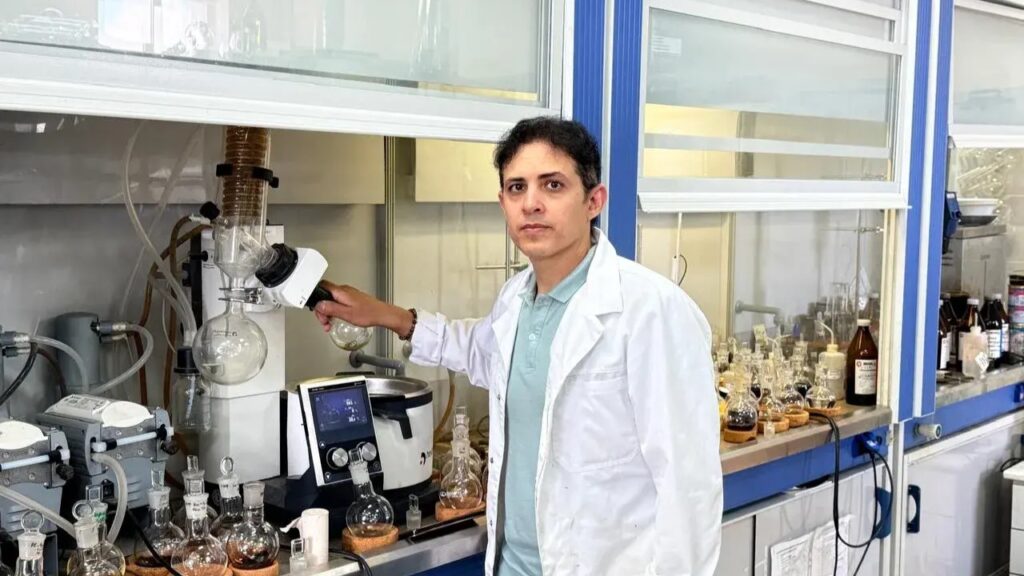
The Institute of Geology and Petroleum Technologies studied the effectiveness of in-situ catalysts for heavy oil production.
In a recent study, scientists from the In-Situ Combustion Laboratory obtained new data on the transformation of heavy oil under hydrothermal conditions, using the Ashalchinskoye field as an example. The Kazan Federal University researchers propose using in-situ catalysts to address one of the major challenges in heavy oil production. The results were published in Fuel.
«Until now, many aspects remained unresolved. This time, experiments were conducted without using oil. Isolated asphaltenes were subjected to hydrothermal treatment to definitively determine the composition of light hydrocarbons formed specifically from asphaltenes. In the total volume of oil, it is difficult to separate asphaltene degradation from changes in all other oil fractions,» explained Senior Research Associate Yasser Abdelsalam.
The multifaceted properties of asphaltenes have been a focus of the university’s scientists for several years. As high-molecular-weight hydrocarbons, these compounds tend to aggregate and precipitate during oil production or transportation. These phenomena lead to serious operational complications, including formation damage, well plugging, and pipeline fouling. The results of these scientific experiments could significantly facilitate heavy oil production.
«An important phenomenon in the upgrading of heavy oil through catalytic aquathermolysis is the formation of coke-like substances, which can be called a fifth fraction, in addition to the well-known four SARA fractions of oil. Some research into coke-like substances has already been conducted and will be continued, taking into account the latest data obtained in this article,» noted Chief Research Associate Alexey Vakhin.
This research was conducted as part of the Priority 2030 program.