

Rector Lenar Safin visiting Shandong Province
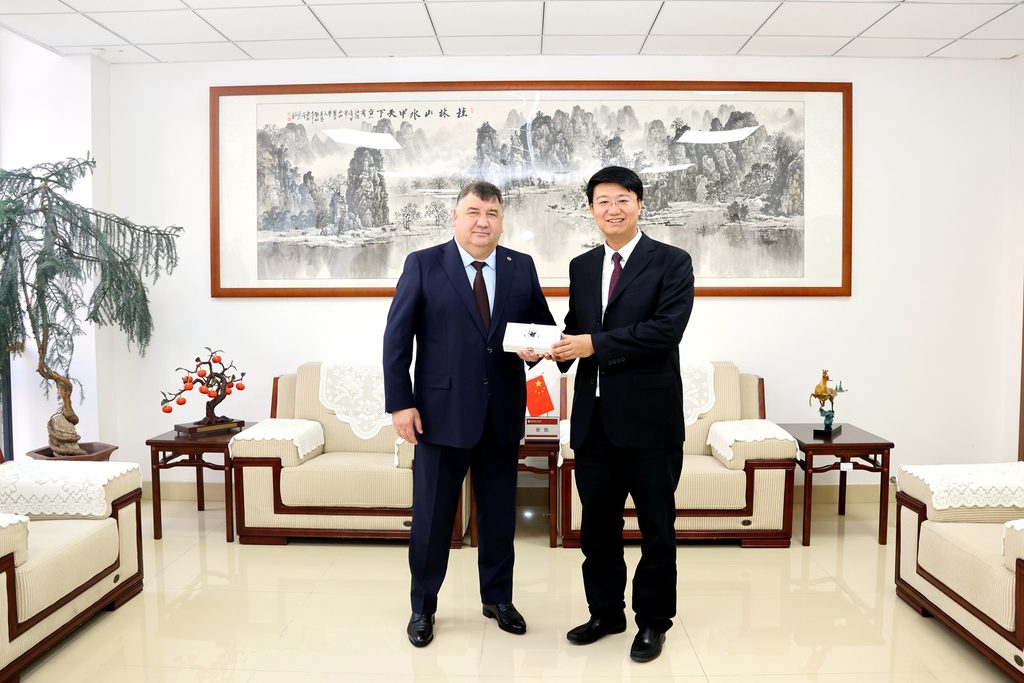
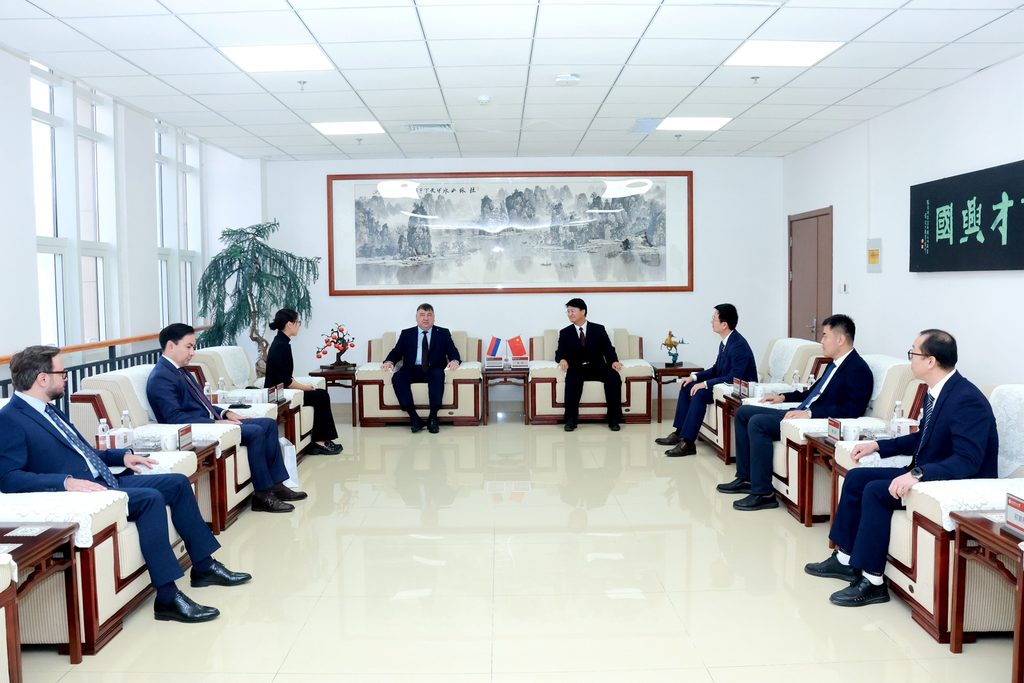
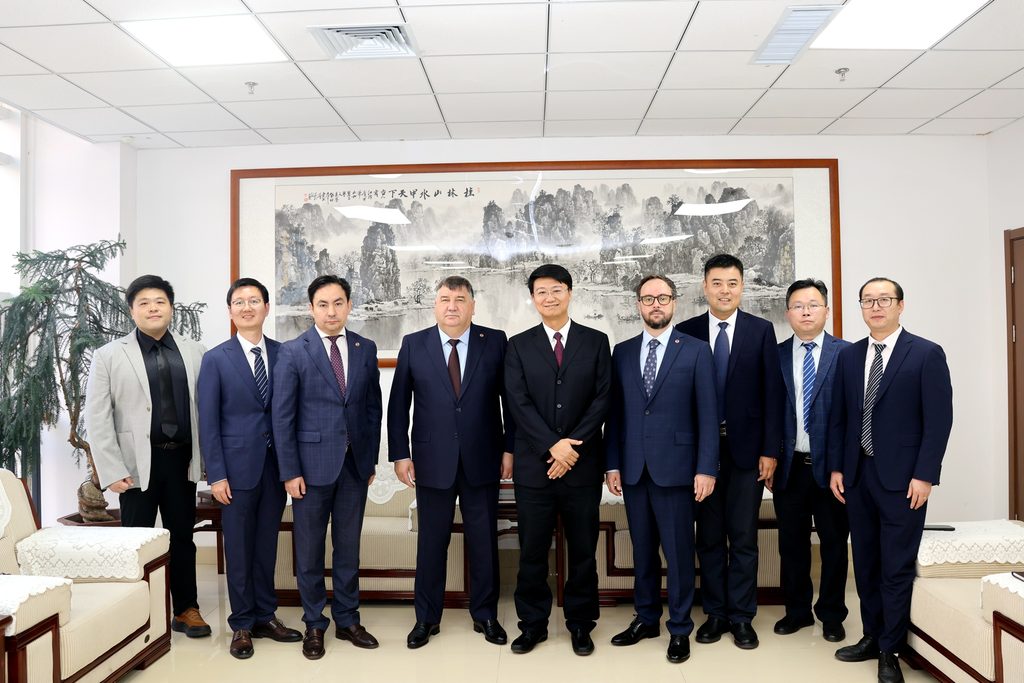
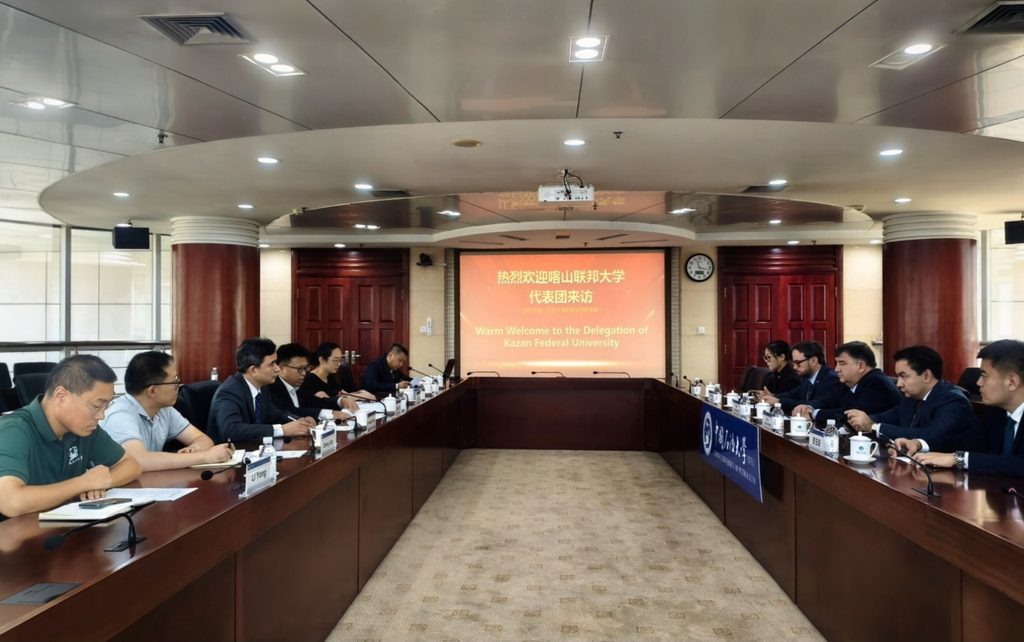
A delegation from Kazan Federal University, led by the university’s rector, has arrived in the People’s Republic of China on a working visit.
On the first day of their stay in China, Lenar Safin met with the leadership of Qingdao University of Technology (QUT). The parties discussed potential avenues for expanding cooperation in science and education.
The primary focus was the establishment of a joint Chinese–foreign cooperative educational institution without legal-entity status.
The project, entitled the Kazan International School of Technology, has already been approved by the Russian Ministry of Science and Higher Education. It is envisaged that the school will operate as a structural subdivision of QUT and will offer three joint bachelor’s degree programmes: Mathematics, Applied Informatics, and Automation of Technological Processes and Production.
At present, the complete set of required documents has been submitted to China’s Ministry of Education for review. Subject to a positive decision, the school is expected to begin operating as early as September 2027. Annual enrolment is planned to reach up to 120 students in each program.
The rector then visited China University of Petroleum (East China), where he familiarized himself with the university’s infrastructure and discussed with its leadership matters related to integrating the existing partnership between the two institutions into the activities of the China–Russia University of Advanced Technology (CRUTech). Among other things, they considered options for joint projects and events in oil and gas technologies.
CRUTech is a university network that brings together two groups of consortia: one from the Republic of Tatarstan and the other from Shandong Province. Kazan Federal University leads the consortium of the Republic of Tatarstan, while Shandong University serves as the anchor university for Shandong Province.
Its educational model provides for 3+1, 2+2, and 1+1 programs, joint academic supervision, the awarding of two diplomas from partner universities, and other forms of cooperation.
The research and innovation component includes the establishment of joint institutes, such as centres for materials science, energy engineering, and technology transfer, a clear mechanism for the protection and allocation of intellectual property rights, and a unified digital platform featuring shared courses, data, and library resources.